




Gastric ulcers are a widespread and frustrating challenge for horse owners and trainers alike. If you’ve ever wished for a “quick fix” — a single feed, trick, or supplement that solves ulcers — the experts at the UC Davis Center for Equine Health Horse Report remind us that no such magic bullet exists. Instead, balanced nutrition, smart feeding practices, and thoughtful management work together to reduce ulcer risk and support digestive health. Horse Report
Here’s a practical, evidence-based summary of what UC Davis recommends for ulcer-prone horses: Horse Report
1. Forage Should Be the Foundation
Horses are designed to graze nearly constantly. Forage that requires chewing, like long-stem hay or pasture, helps stimulate saliva production — a natural buffer for stomach acid. Alfalfa, in particular, is often highlighted for its higher calcium content and buffering benefit. Horse Report
✔ Goal: Provide long-stem forage often — ideally free-choice or at least every ~6 hours. Horse Report
2. Avoid Extended Fasting
Unlike humans, horses produce stomach acid continuously, even when not eating. If a horse goes too long without forage, that acid builds up and increases ulcer risk. Keeping forage available or offering frequent small meals helps maintain a more stable gastric environment. Horse Report
Tips:
-
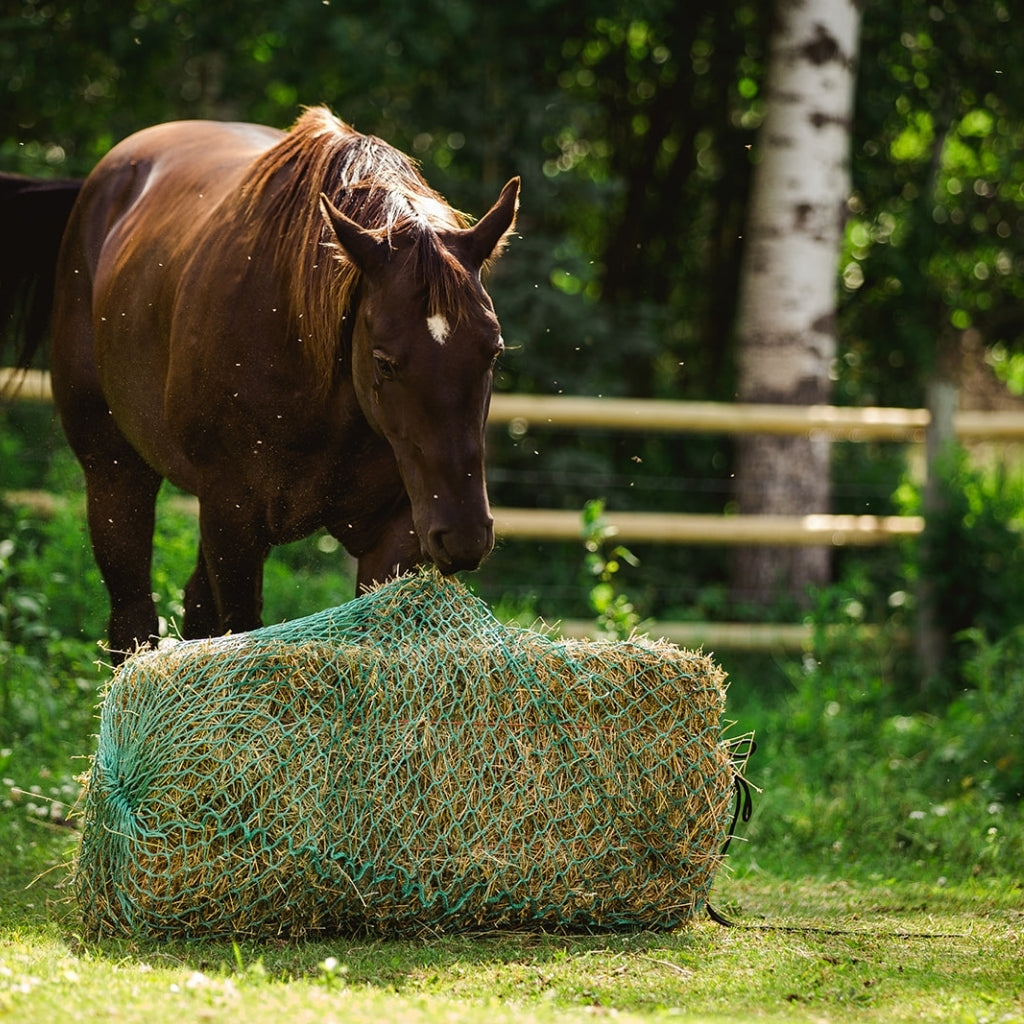
Use slow-feed hay nets or hay balls to stretch out chewing time. Horse Report
-
Feed a small hay meal before exercise or trailering to help buffer acid. Horse Report
3. Watch Grain, Starch & Sugar Levels
High-starch, high-sugar feeds can feed bacteria that produce volatile fatty acids in the gut — which may irritate the stomach lining. The report emphasizes limiting high starch/sugar feeds (especially for ulcer-prone horses) and feeding concentrates in smaller, more frequent portions instead of large meals at once. Horse Report
4. Supplements Can Support — But Don’t Replace Good Management
The equine supplement industry is booming, but UC Davis points out that most supplements cannot legally claim to treat or cure gastric ulcers, and research results are mixed. Some ingredients may offer short-term buffering or protective effects — such as calcium carbonate, slippery elm, or botanicals — but they should be used as part of a broader strategy, not as a stand-alone solution. Horse Report
💡 Think of supplements as support, not a cure.
Quick Practical Checklist
Here’s a snapshot of the key recommendations from the Horse Report: Horse Report
-
Forage often: Aim for long-stem hay or pasture throughout the day. Horse Report
-
Avoid long gaps: Try not to let your horse go more than ~6 hours without forage. Horse Report
-
Feed grain in smaller, frequent meals. Horse Report
-
Provide hay before exercise or travel. Horse Report
-
Work with your veterinarian: Especially before adding supplements or making major diet changes. Horse Report
What This Means for Your Horse
While there’s no single feed or product that “fixes” gastric ulcers, evidence supports a strategy built around natural grazing patterns and careful dietary choices. By making these feeding adjustments and partnering with your vet, you can reduce ulcer risk and support long-term stomach health in your horses — without chasing quick, unsupported fixes.

